Tree Pruning
RemovE Dangerous Branches to Make Your Tree Safe AGAIN
Are you concerned about overgrown branches near your home or business?
Don’t let dangerous limbs threaten the safety of those around you – just call 1800 GO TREES today!
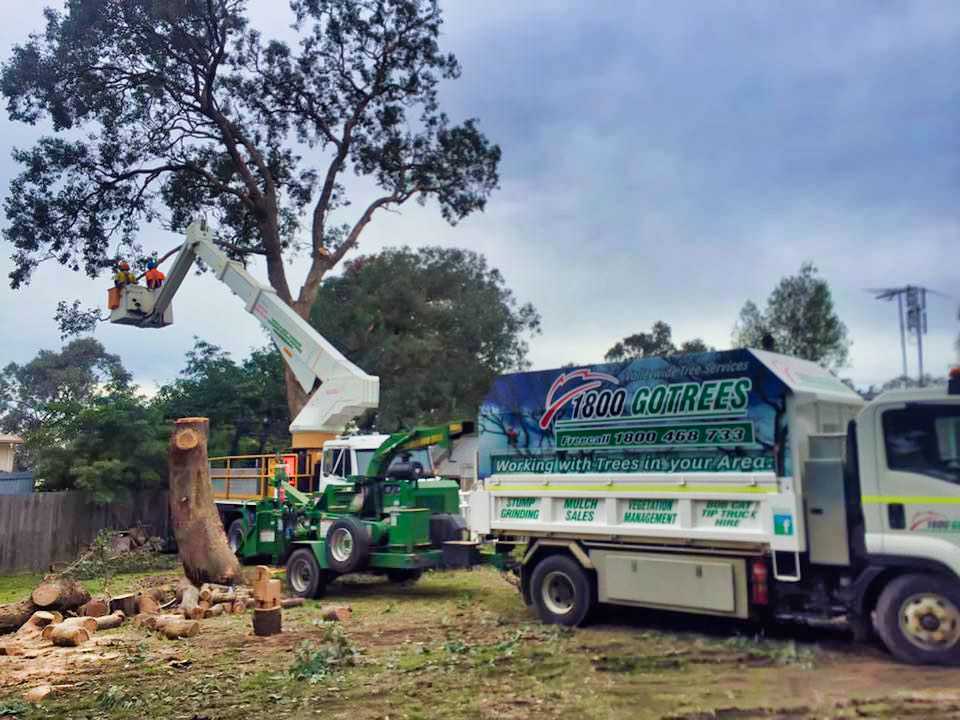
Our skilled professionals can provide an expert assessment and quickly remove compromising tree parts using our advanced equipment.
With our help, you won’t have to worry if a large tree is too close to your house, car or power lines. Without having to cut it down entirely; we will ensure that risks are taken care of while preserving its beauty for everyone involved.
Schedule a free estimate now and have peace-of-mind when it comes to potential hazards caused by nearby trees.
Professional Certified Arborists
Fully Insured
15+ Years Experience
Safety trained
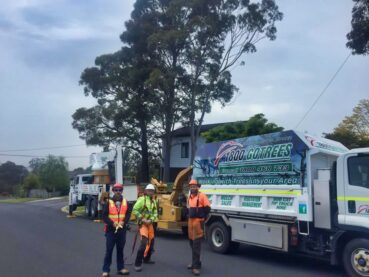
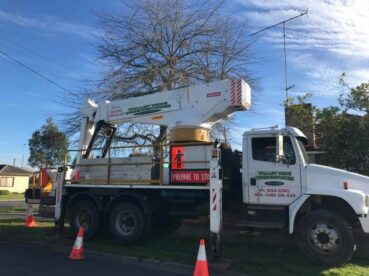
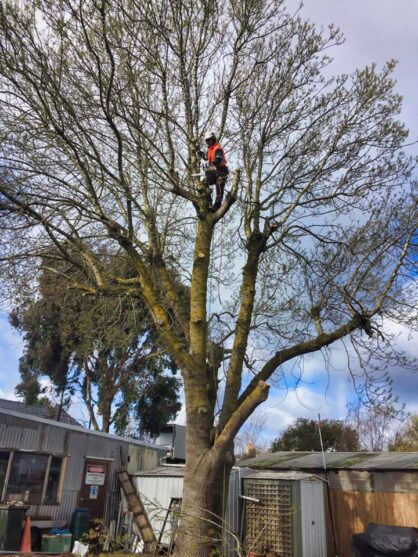
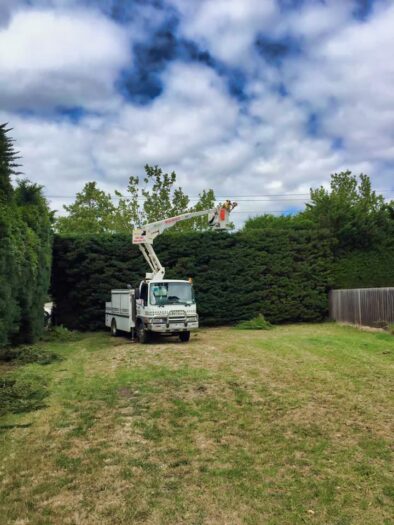
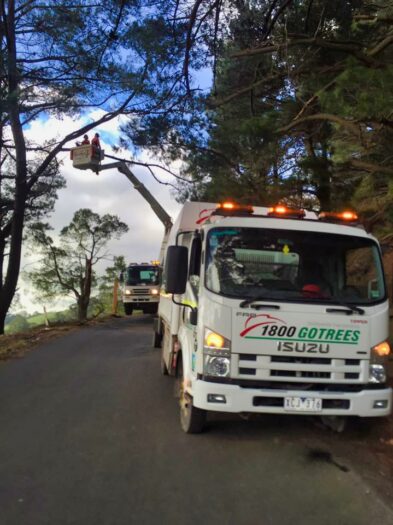
1800 GO TREES Tree Pruning Service offers expert tree pruning to help ensure the safety of your property. Our team can safely remove branches that are weakened or dangerous, even from difficult problem trees. Get in touch with us today for a free on-site quote and let’s keep those precious assets safe!
After your initial contact, 1800 GO TREES will arrange for a professional inspection of your tree to determine the best course of action. If limb removal is viable, we’ll book you in for that service; if not, our team can explore alternative solutions with you and provide advice on what would be most practical and beneficial going forward.
At 1800 GO TREES, safety is always our number one priority. Our team of skilled arborists and tree climbers are licensed and Workcover-ticketed to ensure each job meets stringent work practices. Before any job begins, pre-start checks are carried out by an experienced staff member who also plans the operation in advance to reduce risk for a seamless process.
Our process
Talk. Plan. Do.
At our 1800 GO TREES, we like to make the process easy and straightforward. We begin by learning your exact requirements in order to develop a tailored solution. After inspecting the job location, we provide you with a competitive price quote that takes into account all factors involved. You can rest assured knowing that your project will be completed on time – to spec and within budget!
01.
CALL 1800 GO TREES
We take the time to talk with you, to understand what you need done, and how we can help you achieve it.
02.
WE QUOTE YOUR JOB
We come to your location, to figure out what must be done. We then quote you the price to get it done right.
03.
We FIX YOUR PROBLEM
With our well-defined plan, your job will be done efficiently, while prioritising both quality and safety.
For all Your Vegetation, Excavation & Elevation Needs
SEE AlL our Services
Our highly skilled, licenced arborists and climbers have been providing expert care to valued customers for over 30 years – bringing with them decades of combined experience in managing projects big and small. Our commitment to safety gives you the peace of mind — that all staff are fully trained, insured and Workcover ticketed
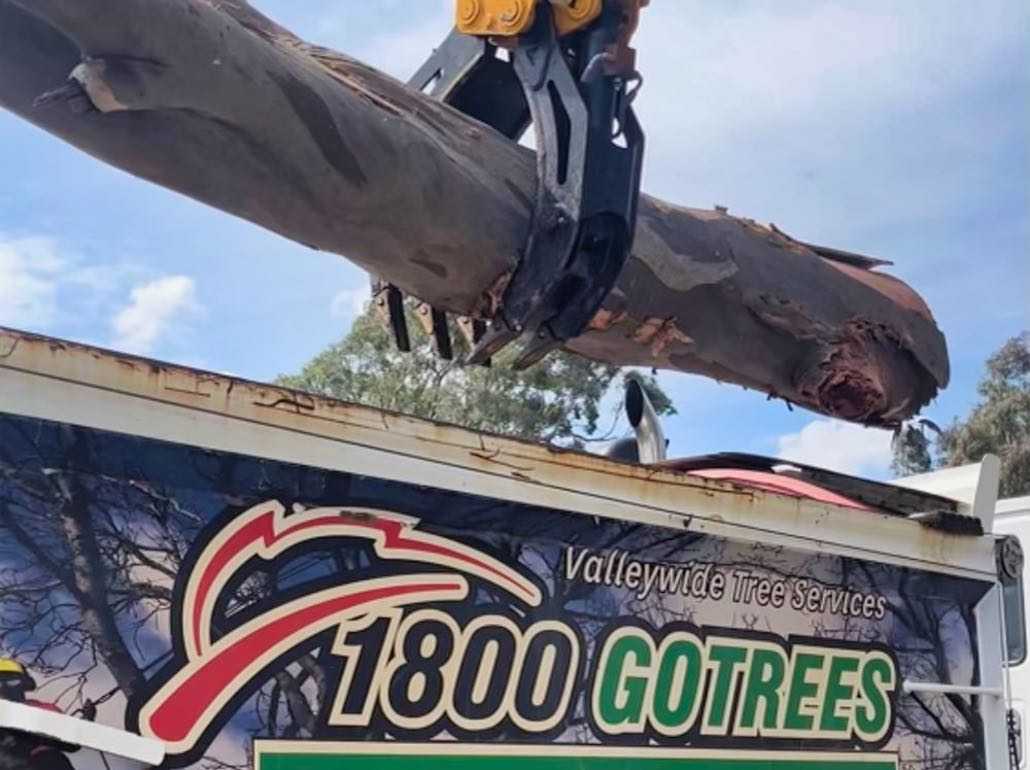
Tree Removal
We use latest techniques to remove dangerous trees that may be a safety hazard.
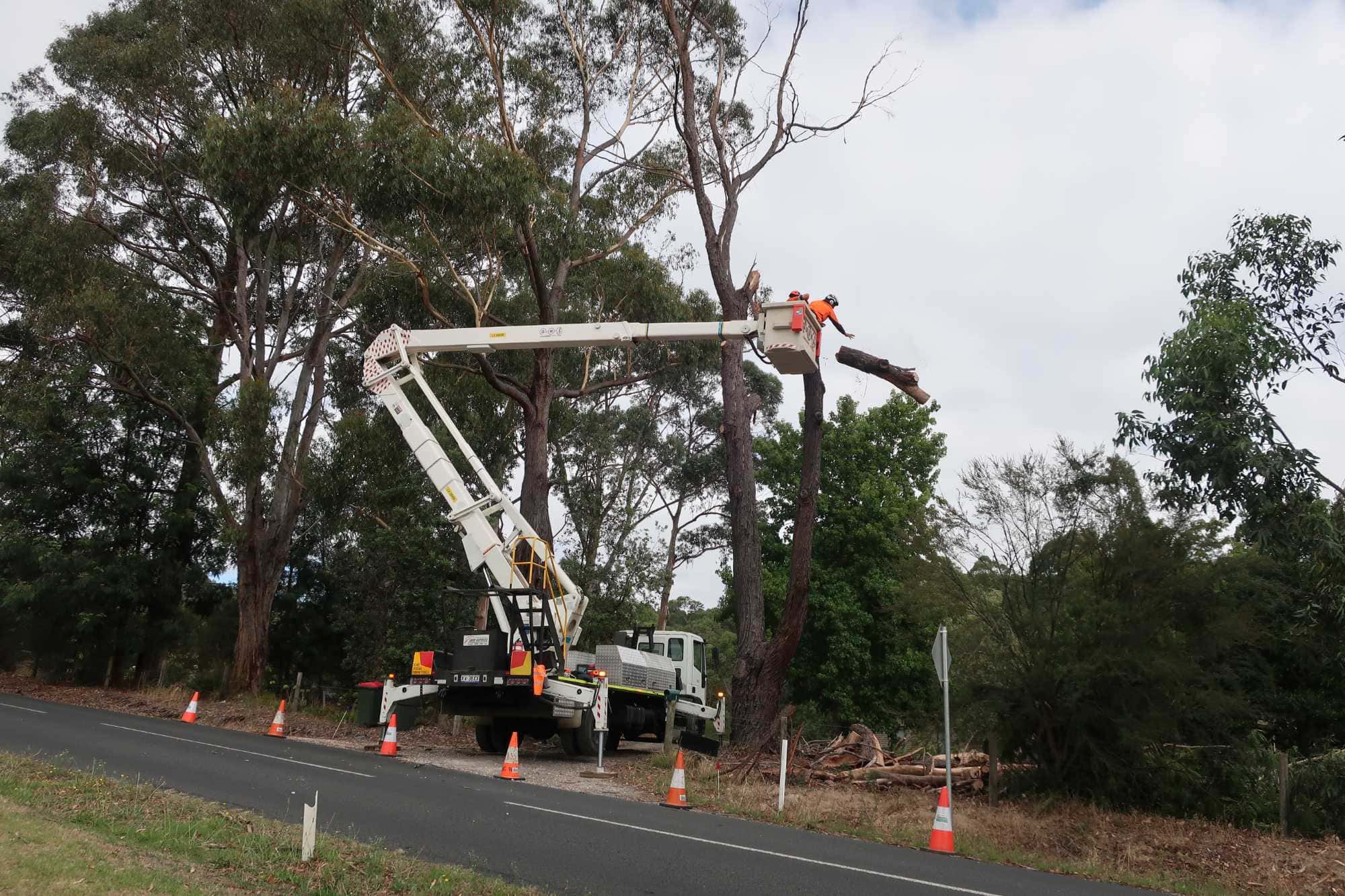
Tree Pruning
We remove dangerous branches while taking care to preserve your valuable tree.
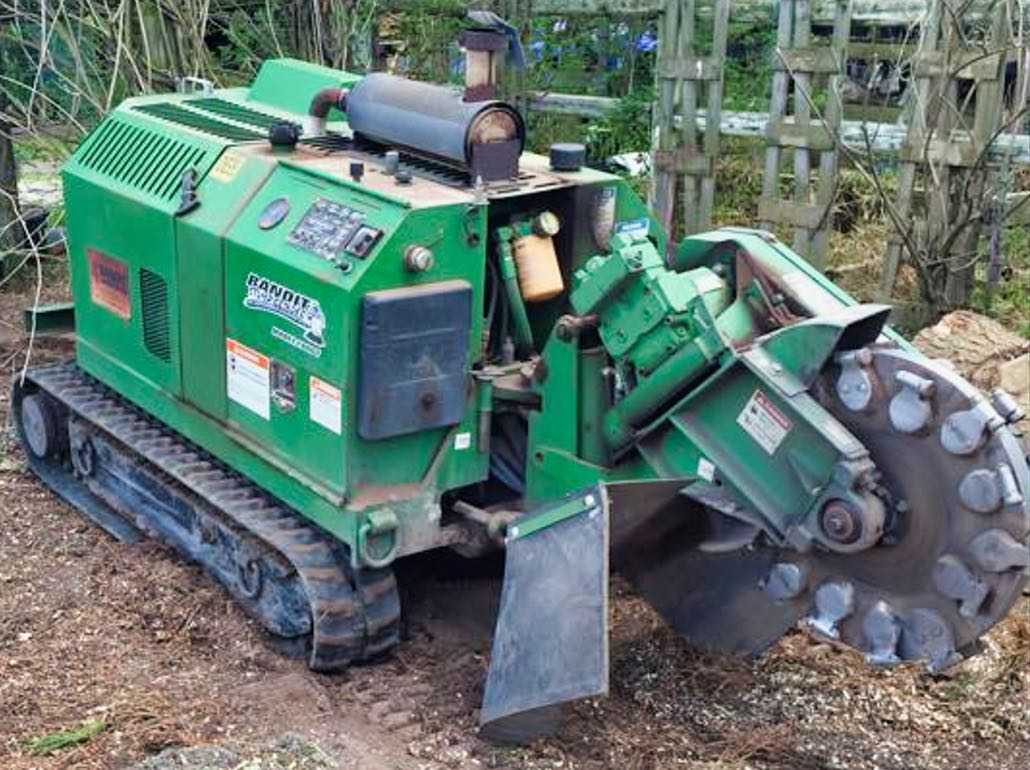
Stump Removal
We cleanly remove your old stumps to reclaim your outdoor living space and view.
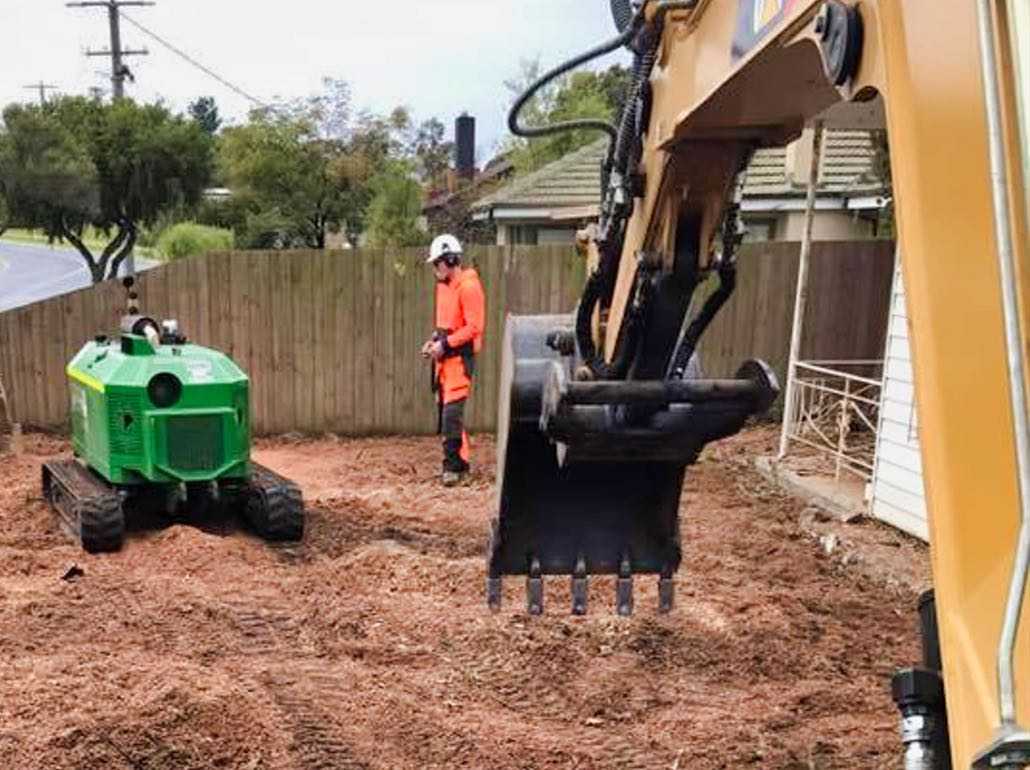
Land Clearing
We help avoid building delays by ensuring your site is clear of roots, stumps and rocks.
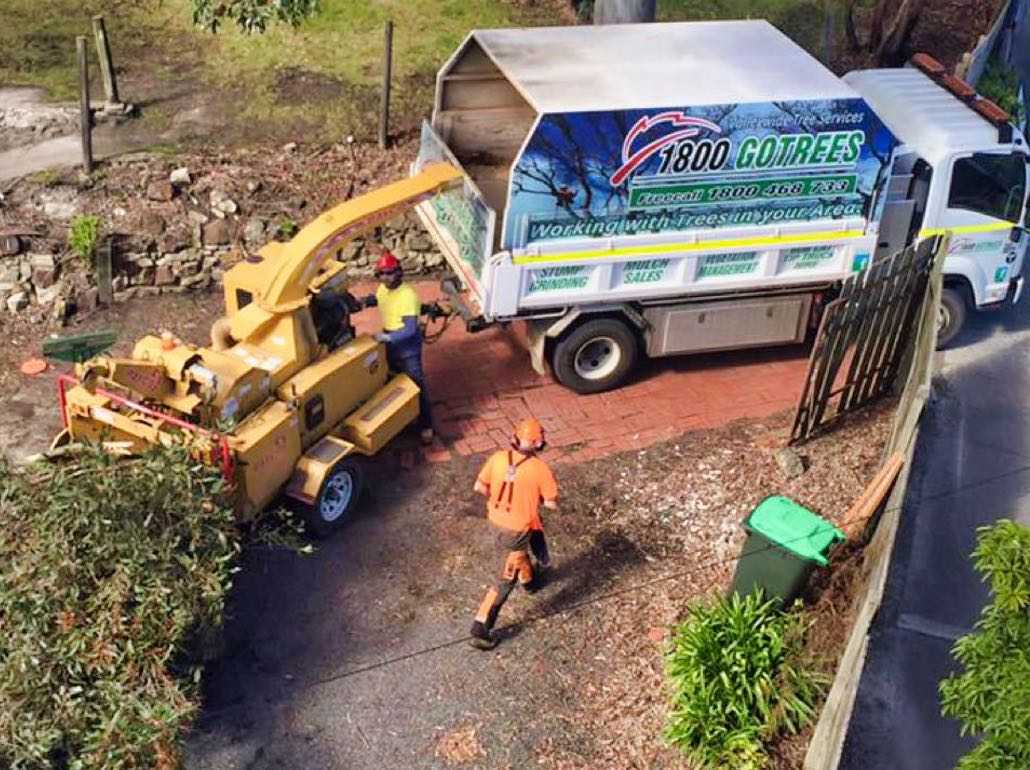
Wood Chipping
We turn tree offcuts into uniformly-sized wood chips, for easier re-use or transport.
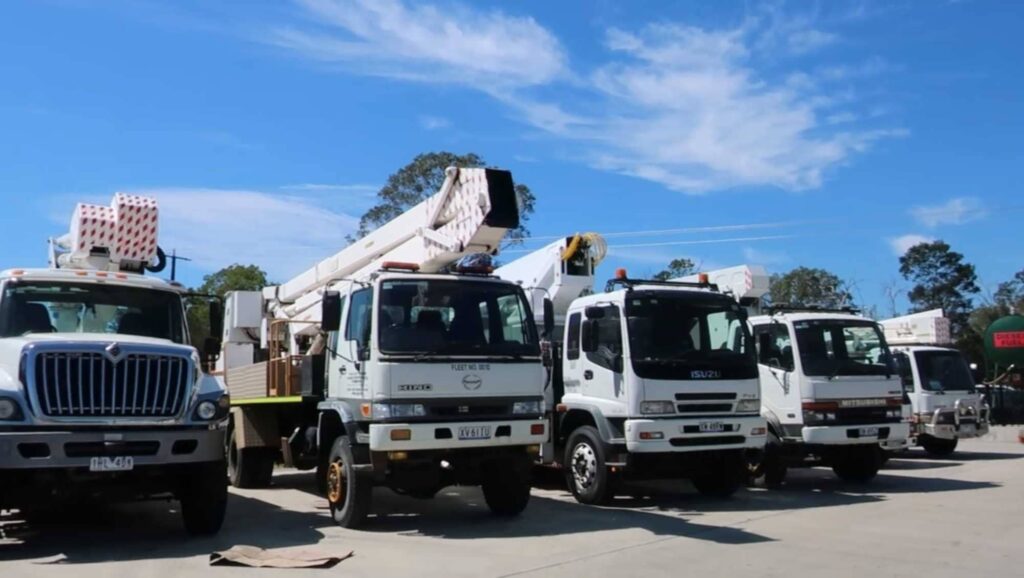
Cherry PickeR hire
Reach heights with ease! Our cherry pickers and operators provide the perfect solution.
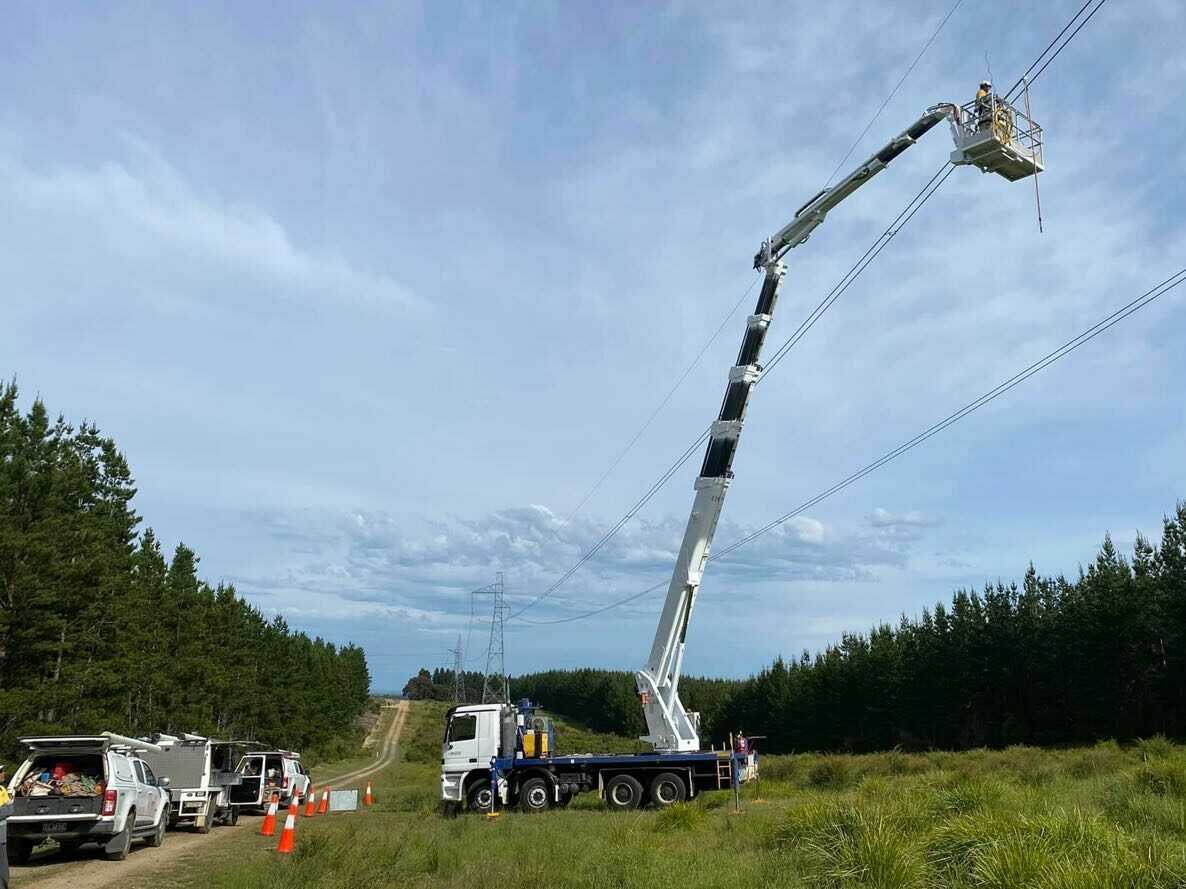
Elevated Work Platform
Our advanced equipment and experienced staff make high operations easy for you.
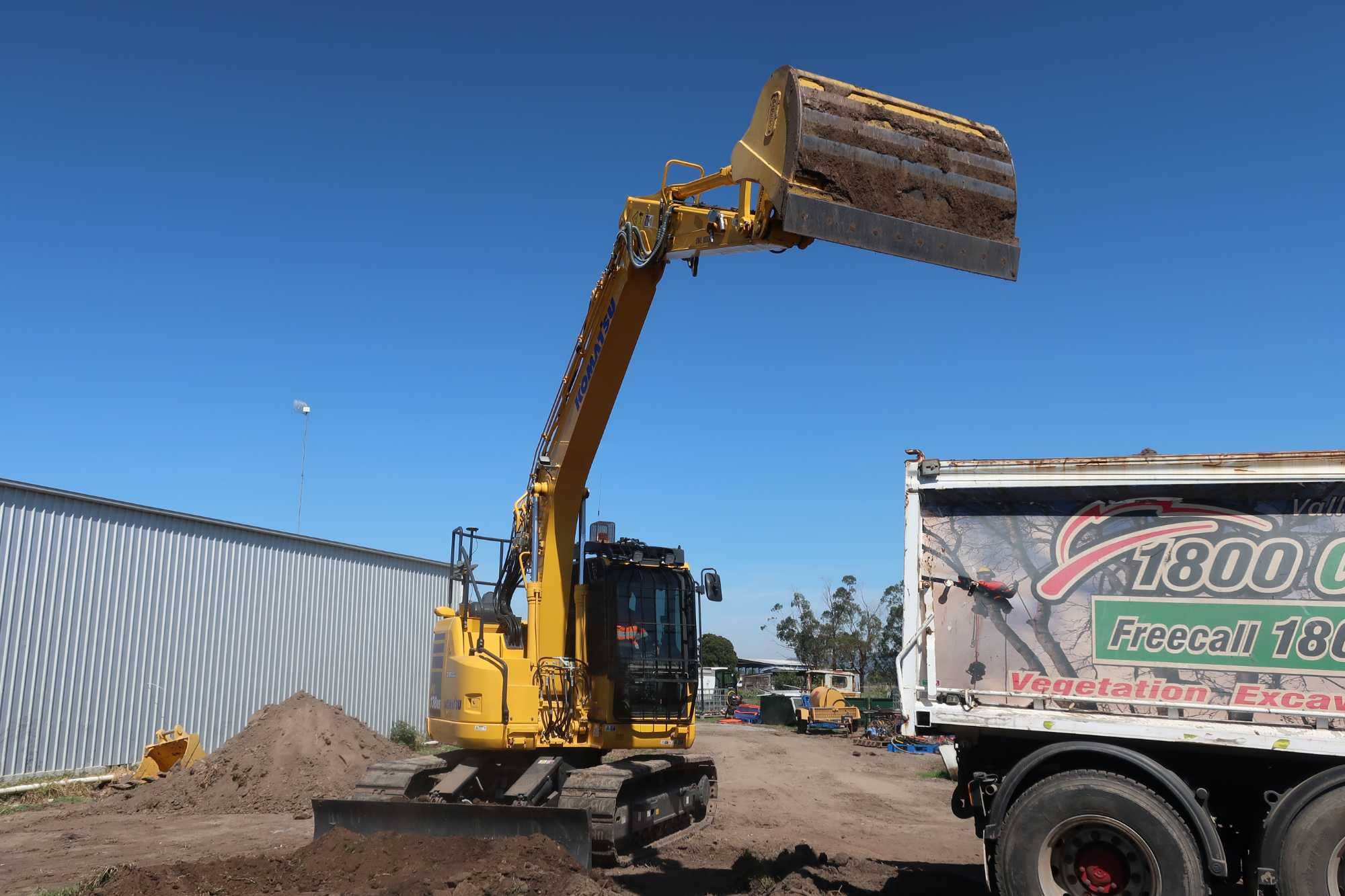
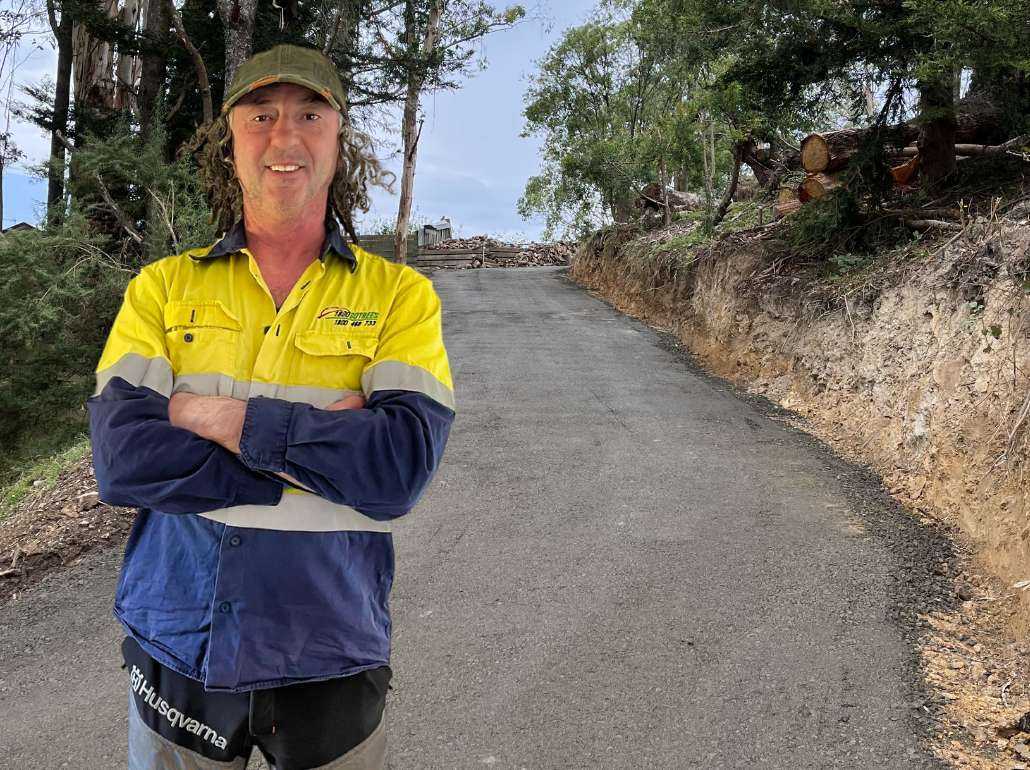
Driveway Construction
Using dump trucks and heavy earthmoving equipment, our driveways make the grade.
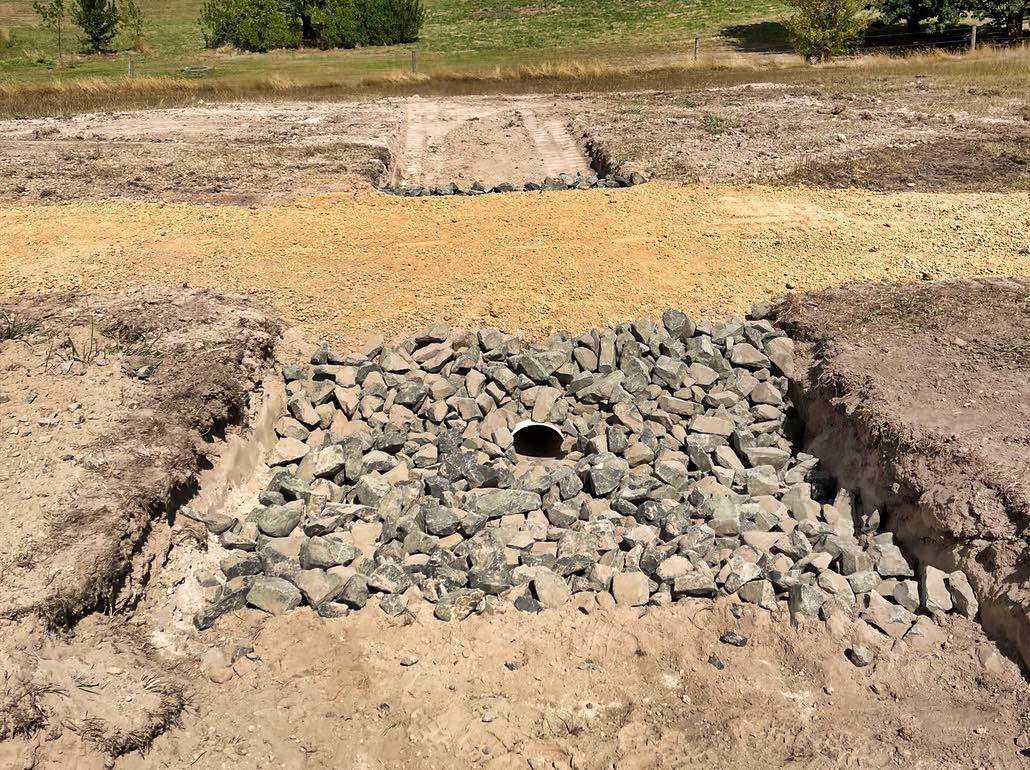
Culvert Installations
Our designs can protect your driveways and entrances from even the heaviest flows.
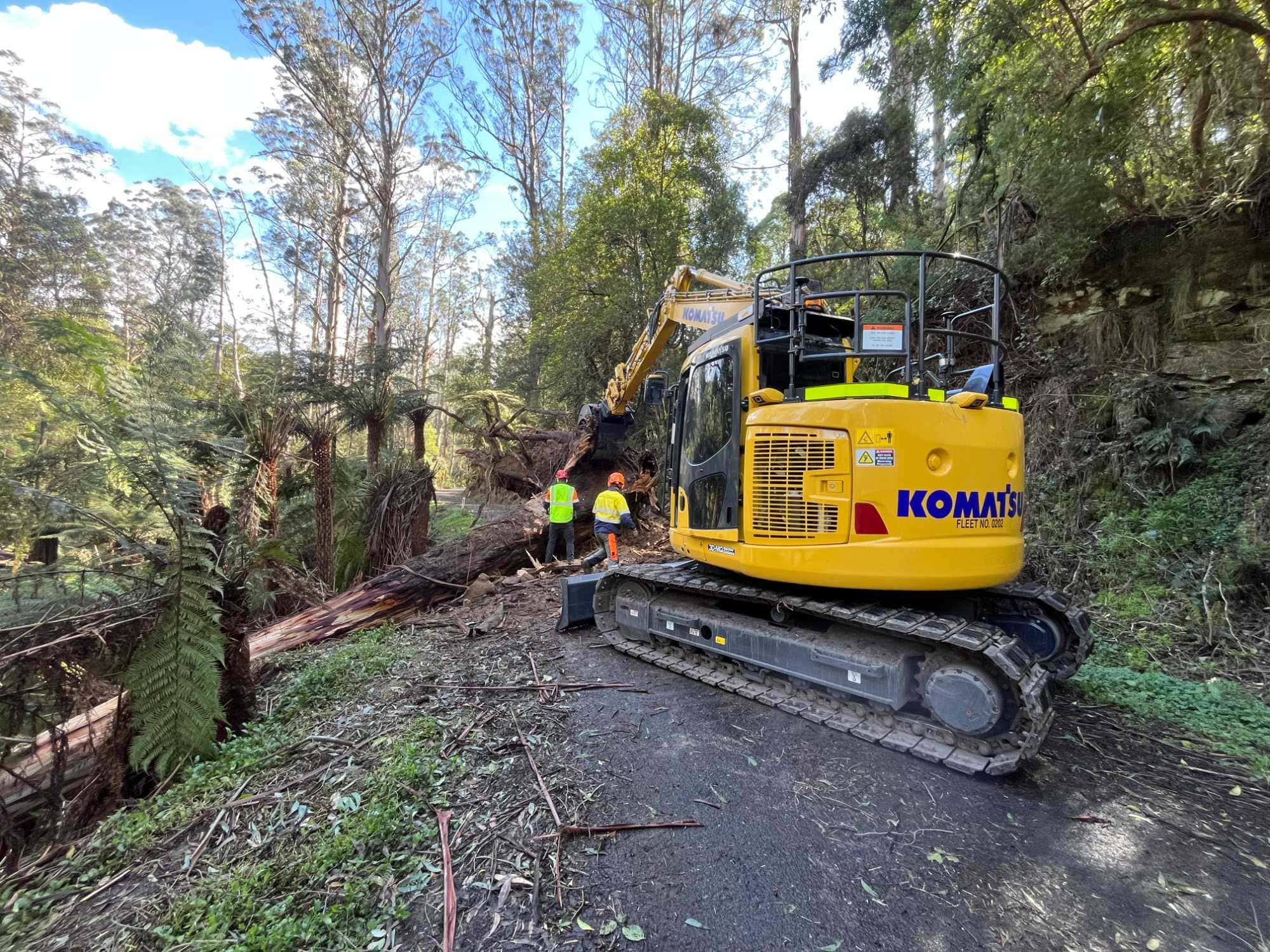
Vegetation Management
We partner with governents and corporations to maintain public asset environments.
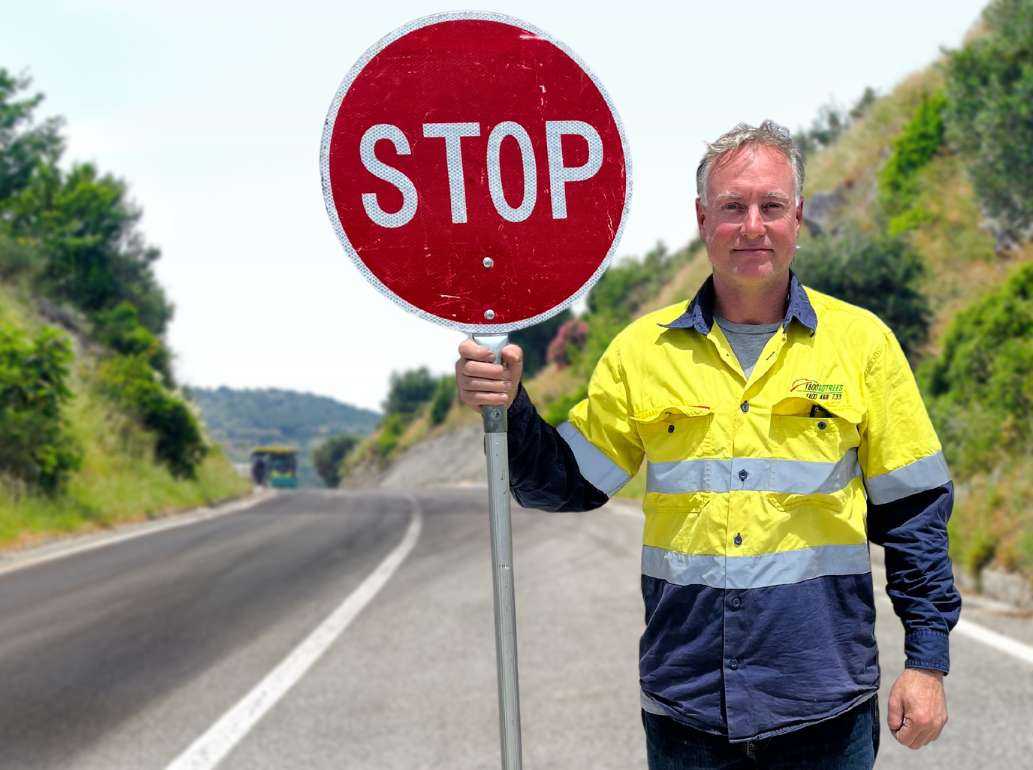
Traffic Control
Keep your project running smoothly and safely with our dependable traffic control.